






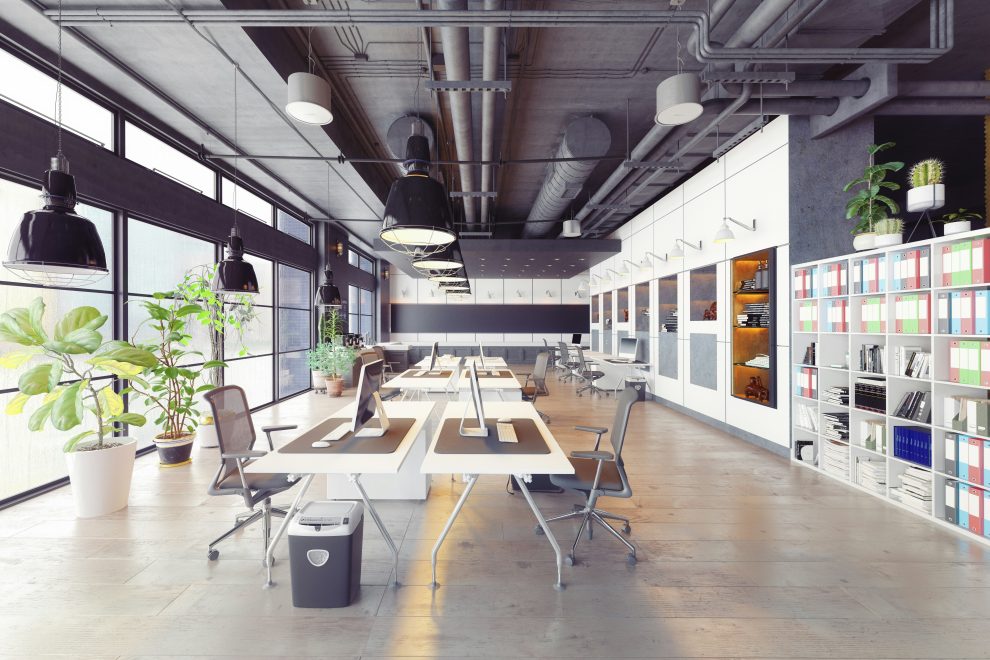

Office interior design significantly affects how employees interact with their environment, colleagues, and work tasks. As modern businesses continue to progress, offices are being considered more as a space that should support collaboration, creativity, and employee wellbeing—not just to complete work tasks. Research and industry practice increasingly demonstrate that a well-considered office design can significantly boost productivity, enhance focus, and improve overall job satisfaction.
The relationship between the physical workplace and human behaviour is complex. Elements such as layout, lighting, acoustics, furniture, and spatial flow all influence concentration, motivation, and efficiency. In this context, interior design extends beyond aesthetics, rather it functions as a strategic tool that aligns workspace functionality with business goals, brand identity, and employee needs. As a result, many organisations team up with office interior design companies or workplace consultancies to make sure their workplace interior design supports both people and performance.
Office Interior Design Projects and Their Impact on Workplace Efficiency
Office interior design projects can vary in size and complexity, but a key priority for all of them is making the most of the space—with a focus on efficiency and flexibility for the business. If you have a poor office space, it can lead to distractions, lowered focus, and reduced productivity. On the other hand, a carefully planned office makes people feel engaged and innovative, and that’s what most businesses are looking for.
When designing the perfect office for businesses, office interior design specialists typically start by figuring out how employees actually use the space throughout the day. What are their movement patterns like? How much noise do they make or endure? How do different teams collaborate with one another? By getting the answers to these questions, designers can create spaces that work for both individuals as well as teams, and the result is an office that perfectly reflects the business culture while also boosting performance.
Interior Design and the Psychology of the Workplace Environment
The physical design of the office has a massive impact on how people feel and behave inside it. Lighting, colour, materials and even how much space there is all contribute to a particular atmosphere. In a typical office, all these elements can affect mood, stress levels and even how well employees can work. Studies show that making sure there’s plenty of natural light, the right level of noise control, and comfortable ergonomic furniture can all have a big impact on employee health and focus.
Nowadays, more and more designers are considering the people who work in the office, rather than just the office itself. This involves recognising that people are not machines, but actual living individuals with physical and emotional needs that need to be taken into account. It means prioritising comfort and functionality so that people can work well for longer periods of time. By doing this, you can build a culture that supports both physical and mental health.
Office Interior Design Process: From Initial Consultation to Delivery
The office interior design process usually starts with a first meeting between designer and client—a chance to get to know each other and figure out what each person is looking for. This first meeting is important because it sets the tone for the whole project. During this session, the designer and client will discuss what the business is trying to achieve, the team that will be using the space, the budget, and what type of image the business wants to project to the outside world.
Once that’s all sorted, the next step is to work out the best way to lay out the office space to make sure that everything works efficiently and effectively. This involves working out how different areas—such as workstations, meeting rooms and break out spaces—will all fit in. The aim is to create workspaces that allow people to get work done but also leave space for flexibility and potential growth. Throughout this whole process, the office interior design team also work closely with workplace consultancy experts to make sure that the design fits with the company’s overall strategy.
Design Process and Office Fit for Modern Workspaces
In order to create an office that works for a business, the design process needs to be tailored to the specific needs of that business—whether that’s accommodating special projects, supporting people working from home, or creating spaces for collaboration. The best way to succeed is to use data, observation, and consultation to develop a solution that really addresses the businesses needs.
When it comes to selecting furniture for the office, it’s also really important to think about comfort, posture, and how efficient it will be. This has a direct impact on employee wellbeing and can really reduce fatigue, helping people stay focused and productive throughout the working day.
Design Services, Concept Design, and Fit Out Execution
Design services should go beyond just beautiful visuals. They should include technical support, project management, and making sure that everything meets the relevant building regulations. When we get to the concept design stage, we’re looking at exploring and refining ideas to make sure they fit with the clients vision and operational needs.
The fit out phase is where the design is actually brought to life. It requires a lot of close collaboration between designers, contractors, and other people involved in the project. It’s really important to pay attention to detail to ensure that the end product is high quality, safe, and functional. A successful office fit out is one that feels like a seamless extension of the business.
Office Design: Balancing Focus, Collaboration, and Flexibility
Office design is all about finding a balance between areas that allow for individual work and spaces that bring people together. Open plan offices have had their moment in the sun but have also been shown to have their limitations, particularly if not done properly. Excessive noise and lack of private spaces can make it really difficult for people to focus and work efficiently.
The modern approach to office design is all about providing a range of different settings within the office space, so that people can choose what works best for them. Quiet zones, collaborative spaces, informal meeting rooms, and private offices can all coexist in harmony—acknowledging that productivity is not always uniform and that people work best in different environments.
Office Interior Design and Employee Wellbeing
Employee wellbeing is now a top priority in office interior design. The physical environment has a huge impact on people’s mental health, motivation, and overall job satisfaction. There are factors like comfortable ergonomic furniture, clean air, natural light, and access to great communal spaces—all contributing to a healthier and happier workplace.
An office designed with wellbeing in mind not only boosts productivity and focus but also reduces absenteeism. By putting employee wellbeing at the heart of your office design, you can create a more positive and supportive work culture that really works for everyone. Many organisations are now working with workplace consultancy services to make sure their office design solutions are actually achieving these wellbeing outcomes.
Office Interior and the Role of Brand Identity
The office is also part of a company’s brand and culture—a way of communicating their values to the outside world. The colours, materials, and even the way the space is laid out all help to create that impression. When the office design is in sync with the brand’s overall identity, it helps reinforce company culture and makes employees feel proud to work there.
When people think about ‘branding’ an office, they often assume that simply means plastering the company logo in a few strategic spots. In reality, a proper leading office design company will make sure the branding is woven seamlessly into the design. This method creates a space that not only looks great but also feels authentic and functional.
Designing Offices Employees Love to Work In
The secret to a successful office design is creating a space your staff genuinely love coming into. And it’s a pretty well known fact that having an emotional connection to your surroundings can really boost motivation and performance. When the office environment makes your employees feel valued and supported, it boosts productivity and creativity.
It’s all about getting the balance right, you want people to be able to work together when needed, but also have space to focus without distractions. It’s a delicate balance, but if you get it right, you can create an environment where ideas can flow freely.
Conclusion: Creating Inspired and Efficient Workplaces
In conclusion, office interior design has a huge impact on how productive employees are, not to mention their general well-being. From the initial discussion with the designer to the final fit out, every stage of the office design process is crucial to making it all work.
By investing in a reputable design firm and working alongside experienced office designers, businesses can create an office space that not only reflects their brand but also helps their team perform at their best. And in today’s competitive world, it’s essential for productivity, innovation, and sustainable business success.
Add Comment