






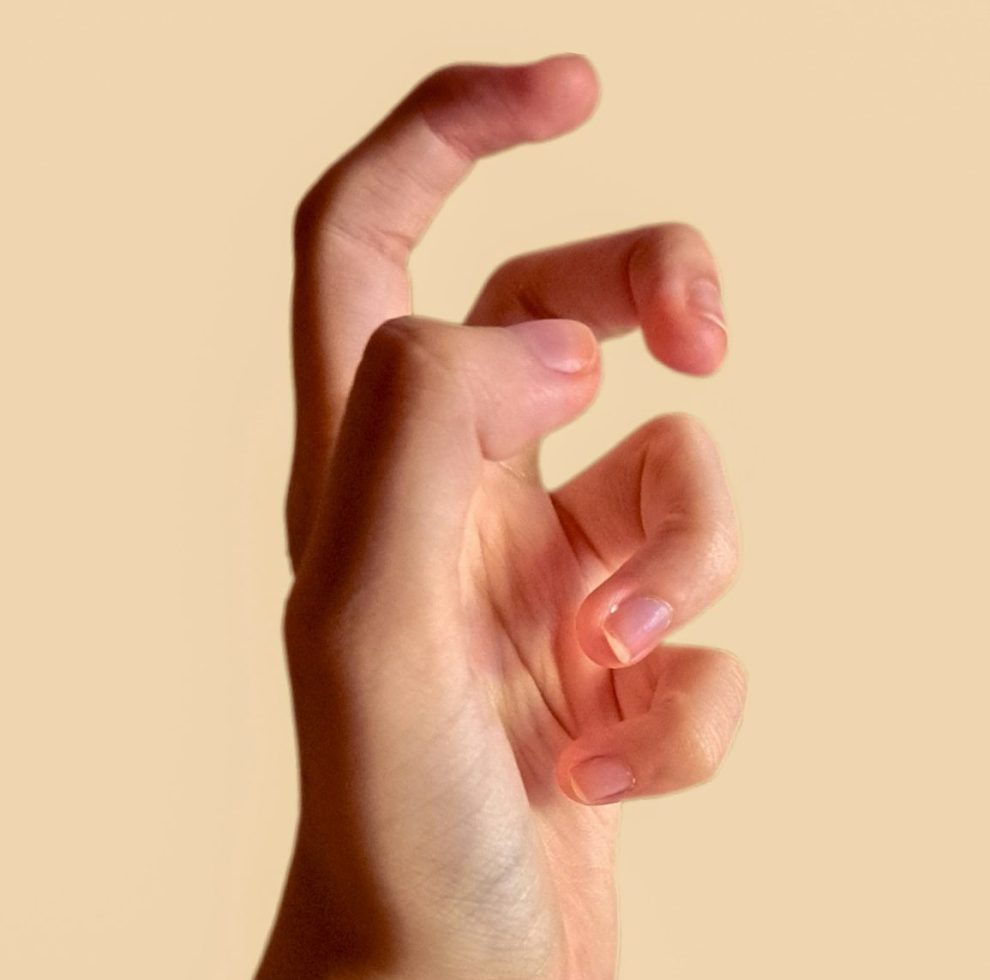

Trigger finger, medically known as stenosing tenosynovitis, can turn even the simplest of daily tasks into a challenge due to the pain and discomfort it causes. It’s a condition where the tendon inside the tendon sheath becomes irritated or inflamed and your finger will sometimes catch, pop, or get stuck in a bent position. The reason it catches is because when the swollen tendon struggles to move smoothly, it can cause finger locking, soreness, or a clicking sensation when the finger moves.
For many people, a trigger finger support or splint becomes essential—helping to reduce the pain, improve the function of their fingers, and prevent the condition from getting any worse. Whether you’re lifting heavy weights, typing on your phone or computer, cooking, or just gripping tools, companies like Artho-Eze provide trigger finger supports that help control finger movement and protect the injured finger while it heals.
This guide not only explains how a trigger finger support can help, but also provides practical tips on how to use one during workouts and daily activities. That way you can carry on with your day without making the injury worse.
Understanding Trigger Finger: Symptoms of Trigger Finger and Why It Happens
Trigger finger can develop over time or after an injury, especially in the thumb, index, or ring fingers. Here are the common trigger finger symptoms to look out for:
- Pain or discomfort in the area around the middle joint or base of the finger
- A snapping or popping feeling when you bend your finger
- Stiffness in the morning
- A finger that catches or locks in a bent position
- Struggling to straighten the affected finger
- A lump forms along the tendon
- Occasional inflammation, heat or swelling in the area
Trigger finger can linger for a few weeks or even months. It depends on the severity. Mild cases usually improve with a bit of rest, but more severe cases might need more treatments like steroid injections, or even surgery if it doesn’t start getting better.
Trigger Finger Support: How It Helps and What to Expect
A trigger finger support gives your finger a bit of extra stability, keeping it in a straight or slightly extended position. This reduces the friction on the tendon, provides some extra support, and reduces the pressure inside the tendon sheath.
The benefits of using a support are:
- Prevents the tendon from catching during movement
- Eases the pain by reducing inflammation
- Prevents strain on the tendon when gripping
- Reduces the likelihood of the finger locking up
- Helps the finger heal naturally
- Allows finger movement in a more controlled way when doing exercise
- Protects broken fingers, previously injured joints, or vulnerable dip joints
If you use your support correctly, you should notice a difference in a few weeks.
Trigger Finger Support: How to Use It During Workouts
One of the most effective ways to prevent the condition from getting any worse is to wear a trigger finger support when you exercise. Exercise can put a lot of pressure on the tendon, especially if you do lots of heavy lifting or gripping.
Here’s how to use your support without any issues:
Bending and Gripping Exercises
Workouts that involve gripping—like dumbbells, barbells, kettlebells, rowing, or cycling—can make your trigger finger symptoms worse. The way you hold onto equipment can make your finger bend in a way that irritates the tendon.
Using your support during gripping exercises:
- Keep the splint on for the entire workout
- Make sure it’s snug but not too tight, to prevent irritation
- If your finger locks up while lowering weights, you can adjust the tension to keep it more straight
- For deadlifts or kettlebell swings, try switching to a hook grip. This will help reduce the strain on your finger
- If holding onto a bar feels uncomfortable with the splint, try switching to dumbbells or cable handles instead. These provide a bit more flexibility to work with
Many people find that a dynamic splint gives them more movement during workouts without straining the finger too much.
Push Movements
Push-type exercises—like push-ups, bench presses or yoga poses—can be tough on the fingers, especially if they’re applying a lot of pressure to a surface. This can be uncomfortable and even trigger a locking sensation.
Tips for exercising safely:
- Keep your support on for these exercises to stop any excessive extension or bending
- Use push-up bars or foam wedges to take some of the pressure off the affected finger
- Modify yoga poses to avoid deep hand flexion
- Consider wearing gloves over the splint to give yourself a bit more cushioning
If you do start to feel pain, try switching to wrist-supported push-ups, or forearm-based alternatives.
Cardio Activities
Cardio machines like treadmills, ellipticals, or bikes can involve gripping handles to steady yourself.
How to reduce strain:
- Wear the support for the whole session
- Try not to grip the handles too tightly
- Instead of using your whole hand, try to use just your fingertips when you can
- If you’re cycling, try wearing padded gloves that fit comfortably over the splint
This will help to reduce repetitive strain symptoms and stop them from getting any worse.
Strength Training Modifications
If you’re a weightlifter, you’ll probably want to make a few changes to your workout routine:
- Try using straps, wrist wraps, or harnesses to reduce the pressure on your grip
- Choose weight machines with padded grips if free weights are too uncomfortable
- Take it easy and reduce the volume of your workouts for a while to help the healing process
- Prioritise recovery days to keep the inflammation levels down.
These changes will help keep your tendon from getting overworked during the healing process.
Maintaining a Bent Position: Using a Support in Daily Activities
Trigger finger isn’t just a problem during exercise. It’s also a problem when you’re doing everyday activities like typing, cooking, driving, or even just opening jars. That’s why a trigger finger support is useful; it helps protect the tendon throughout the day.
Using it during these daily tasks makes all the difference.
Typing and Office Work
If you do a lot of typing or use a computer mouse all day, that’s going to make your symptoms a lot worse.
Daily-use tips that can make a difference:
- Wear the support at your desk to prevent your fingers from bending out of habit
- Use a proper ergonomic mouse that keeps your fingers loose and relaxed
- Take breaks every 20-30 minutes to stretch your hand out
- Try not to clench your fists or rest anything on your injured finger
Cooking and Household Tasks
Cooking can involve a lot of repetitive chopping or gripping.
Helpful changes to make:
- Wear the splint while chopping, stirring, or lifting heavy cookware
- Use utensils with wide handles to prevent tight gripping
- Switch hands if possible to give the injured finger a break
It’s the same with cleaning tasks like sweeping or scrubbing. Try to avoid gripping tightly and use your arm to do the work instead of your fingers.
Driving
Steering wheels can make your fingers curl up.
Tips for using your support while driving:
- Wear the splint to prevent your finger from bending unconsciously
- Position your hands so the injured finger isn’t doing any heavy lifting
- Try to switch to a looser grip and keep your hands relaxed
Using a Phone
Phones can cause a tight bend at the joints in your fingers, which can make your symptoms a lot worse.
To keep irritation to a minimum:
- Use voice commands when possible
- Hold your phone with your palm rather than your fingers
- Wear the splint while texting to prevent your finger from bending out of habit
Finger Splints: Choosing the Right Support for Workouts and Daily Life
Different finger splints work in different ways. Some of them let you move your finger a bit, while others completely immobilise it.
So what should you look for in a support?
- Look for a few different sizes so you can get a good fit
- Adjustable straps that allow you to tighten or loosen the support as needed
- Padded edges to prevent (or at least reduce) skin irritation
- Breathable materials that’ll protect your skin even when you’re wearing it for a long time
- A dynamic splint that allows you to control your finger movement during exercise
- A rigid support for resting, sleeping, or if you need to take the pressure off completely
Choosing the right support will help keep your finger comfortable so you can get the most out of your daily tasks.
Preventing Trigger Finger: Daily Habits and Activity Modifications
Using a support is just one part of keeping your trigger finger under control. Other ways to prevent trigger finger include:
- Try stretching your fingers before doing anything strenuous
- Switch hands frequently
- Avoid gripping anything for long periods of time
- Manage underlying conditions like arthritis or rheumatoid arthritis
- Using ergonomic tools to reduce tendon strain
These practices will help reduce inflammation and speed up your recovery
Broken Fingers, Ring Fingers, and Finger Injuries
People who have had a broken finger or a previous finger injury are generally more prone to develop trigger finger. When you adjust how you use your hands to avoid putting extra stress on that finger, you end up putting strain on the surrounding tendons, especially in the area around your ring and middle fingers. A finger splint can help by relieving pressure on the finger while it heals, which, in turn, helps reduce the risk of inflammation and the development of trigger finger.
Pain Relief and Other Treatments
While splints are effective, sometimes other treatments are necessary:
- Steroid injections to reduce inflammation
- Anti-inflammatory creams to help soothe the pain
- Hand therapy to teach you ways to move your hands in a way that doesn’t put so much strain on the finger
- Applying heat or ice to take the edge off the pain and reduce the inflammation
- Changing your activities to reduce strain
- Rarely, surgery if nothing else seems to be working
If your finger isn’t improving and symptoms persist, your healthcare provider will probably contact you to follow up.
Final Thoughts
A trigger support can make all the difference in your daily life when it comes to coping with the symptoms—especially when exercising or doing daily tasks. By keeping your finger in a more neutral position, easing off the pressure, and encouraging healthy movements, you can keep doing the things you love without having to put everything on hold.
As you consistently use a finger support, build good habits, and receive the right treatment, you’ll likely start to notice some real improvements within a few weeks. Some people start to see improvements sooner, but for others it can take a bit longer. However, with patience and by listening to your body, you can return to the activities that matter most to you without the setbacks of trigger finger.
Add Comment